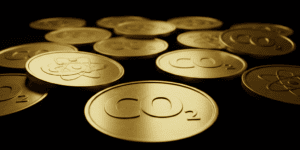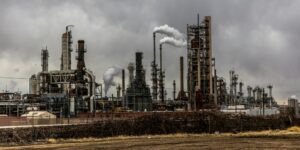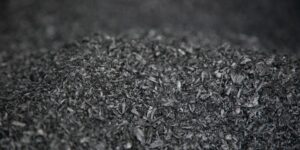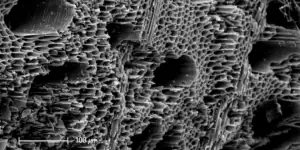
Biochar production has evolved beyond soil amendment and waste management into a certified carbon removal technology that generates tradeable credits. Major corporations including Microsoft, Google, and JPMorgan Chase purchase biochar carbon removal credits as part of their net-zero strategies.
This development creates dual revenue streams for biochar producers: income from selling the biochar itself and additional income from carbon removal certification. Understanding carbon market access requirements and economic returns helps potential producers evaluate this opportunity.
Why Biochar Qualifies for Carbon Removal Credits
Biochar’s value in carbon markets stems from its long-term stability. When plant material undergoes pyrolysis, the carbon originally captured through photosynthesis gets locked into a resistant form that persists for centuries to millennia. This permanence distinguishes biochar from other carbon approaches.
Without intervention, organic matter decomposes and releases stored CO₂ back to the atmosphere within months or years. Biochar interrupts this cycle, transforming carbon into a stable form that can remain in soil, construction materials, or other applications for hundreds to thousands of years.
This long-term carbon storage addresses the needs of companies seeking verifiable carbon dioxide removal. Since many industries cannot reduce emissions to zero, they require methods to remove CO₂ from the atmosphere.
Carbon Credit Types and Market Pricing
Carbon markets distinguish between two main types of credits:
Carbon Offsets: Prevent emissions that would have occurred (such as preserving forests from logging)
Carbon Removal Credits: Remove CO₂ from the atmosphere and store it permanently
Carbon removal credits typically command higher prices because they represent actual removal rather than prevention. Biochar carbon removal credits currently trade at approximately €150-€200 per ton of CO₂ removed, up from €131 two years ago.
Market activity is expanding. In the first half of 2025, 1.6 million tons of biochar credits were sold, and the market is projected to grow from €304 million in 2025 to nearly €2 billion by 2032.
Revenue Streams from Biochar Production
Biochar production can generate income through two channels:
Biochar Product Sales
Biochar serves multiple applications. Agricultural uses include soil amendment for water and nutrient retention. Industrial applications include water filtration and concrete additives. Depending on quality and application, biochar sells for €300 to €1,500+ per ton.
Carbon Removal Credits
For each ton of dry plant material converted to biochar, producers can earn credits for removing approximately 1 ton of CO₂. At current prices of €150-€200 per credit, this can equal or exceed biochar product revenue.
For example, processing 100 tons of wood waste annually might produce 30 tons of biochar (potentially selling for €9,000-€45,000) while generating approximately 100 carbon removal credits (worth €15,000-€20,000), totaling €24,000-€65,000 in annual revenue.
Actual figures vary based on feedstock type, process efficiency, and market access. Carbon credits typically represent 30-50% of total revenue, potentially making economically viable projects that would not be profitable from biochar sales alone.
Pyrolysis Reactor Systems
Pyrolysis reactors heat plant material in low-oxygen environments. Without oxygen, material transforms into biochar, gases, and bio-oil rather than burning.
Two main system types exist:
Batch Reactors: Material is loaded, heated, cooled, and unloaded in discrete cycles lasting 6-8 hours. These systems have lower capital costs and simpler operation, making them suitable for smaller operations. More information about batch reactor systems is available.
Continuous Reactors: Material enters continuously with biochar output flowing steadily. These systems process larger volumes but require higher capital investment, typically €500,000+ for industrial-scale equipment.
Both types can qualify for carbon credit certification.
Carbon Credit Certification Process
Carbon credit generation requires certification through recognized registries that establish standards and verify carbon removal. The main biochar registries include Puro.earth, Verra, and Carbon Standards International.
Registration
Producers register projects with a chosen registry, paying registration fees typically ranging from €3,000-€15,000. Registration requires documentation of:
- Feedstock sources and types
- Production methods and equipment
- Biochar application and end use
- Tracking and verification systems
Production Verification
Registries require demonstration of consistent, high-quality biochar production. Producers must operate for 3-6 months, submitting samples for laboratory testing. Testing verifies that biochar is stable enough to store carbon for at least 100 years.
The key metric is the H:Corg ratio (hydrogen to organic carbon), which must be below 0.7. Pyrolysis temperatures of 400-600°C generally produce biochar meeting this requirement.
Third-Party Auditing
Independent auditors inspect facilities to verify compliance with stated procedures. Auditors review equipment, records, and tracking systems. Inspection costs range from €15,000-€40,000 depending on operation scale.
Credit Issuance and Trading
Upon approval, registries issue carbon removal credits on blockchain-based systems that prevent fraud. Each credit represents one ton of CO₂ removed. Credits can be sold directly to companies or through brokers and marketplaces.
The certification timeline typically spans 9-18 months from initial registration to first credit issuance.
Operational Challenges
Quality Consistency
Variable biochar properties between batches can disqualify products from certification. Temperature monitoring, standard operating procedures, and feedstock moisture testing help maintain consistency.
End-Use Tracking
Registries require proof that biochar is used in applications that maintain carbon storage, typically soil incorporation. Digital tracking systems with GPS data and photographs, or sales to verified customers with application agreements, address this requirement.
Capital Requirements
Combined costs for equipment, registration, testing, and inspection typically range from €50,000-€150,000 before revenue generation. Advance payment agreements with buyers, cost-sharing partnerships with other producers, or initial focus on biochar product sales while pursuing certification can address capital constraints.
Feedstock Supply
Consistent plant material supply is necessary. Agricultural waste or wood chip sources may have seasonal availability or competition from other users. Multiple feedstock sources or mobile equipment that relocates to biomass sources can mitigate supply challenges.
Corporate Demand for Carbon Removal Credits
Several factors drive corporate purchases of carbon removal credits:
Net-Zero Commitments: Many corporations have committed to eliminate carbon footprints by 2030-2050. After reducing emissions where possible, some emissions remain difficult to eliminate (such as aviation or cement production). Carbon removal credits help balance remaining emissions.
Customer Expectations: Consumer preferences increasingly favor companies demonstrating climate action. Carbon credit purchases provide visible sustainability commitment.
Regulatory Preparation: Some companies anticipate future government carbon removal requirements. Current credit purchases prepare for future regulations and potentially secure better prices than expected future costs.
Permanence Quality: Biochar credits offer carbon storage lasting centuries, unlike tree planting where trees may burn or be harvested within decades.
Companies including Microsoft, Google, and JPMorgan have purchased hundreds of thousands of tons of credits, with multi-year contracts for continued purchases.
Market Conditions and Supply
Market data from late 2025 shows 89% of high-quality credits for 2025 already sold through advance contracts, up from 62% earlier in the year. Credits for 2026 are 40% pre-sold.
This indicates companies are securing future supply through advance commitments, potentially affecting:
- Buyer availability as budgets become committed
- Pricing pressure from increasing supply
- Certification processing backlogs from growing applications
Implementation Considerations
Evaluating biochar carbon credit production involves several factors:
Feedstock Access: Availability, cost, and consistency of plant material supply
Local Product Markets: Demand for biochar from agriculture, water treatment, construction, or other local industries
Registry Requirements: Specific certification requirements from Puro.earth, Verra, or other registries
Existing Producer Networks: Regional biochar producers who may share operational insights
Financial Modeling: Conservative projections with cost buffers and reduced revenue assumptions to test economic viability
Scaled Entry: Some producers begin with smaller or used equipment to develop operational experience before larger capital investments
Economic Viability Assessment
Biochar carbon credit production represents a business opportunity combining waste management, climate mitigation, and income generation. The model requires significant capital investment, certification timeline patience, and ongoing operational discipline.
For operations with feedstock access and technical capability, the approach offers business development aligned with climate solutions. The market is expanding, corporate demand remains strong, and environmental need is established.
Potential producers should conduct thorough due diligence, develop conservative financial projections, and plan for multi-year commitments before implementation.