
Biochar is used as a soil amendment in agriculture to improve soil properties and crop productivity. While the science behind biochar is complex, application methods are straightforward. A key principle: biochar functions as a soil conditioner rather than a fertilizer.
This article examines the practical aspects of using biochar as a soil amendment, including preparation methods and common application errors.
Pre-Application Treatment Requirements
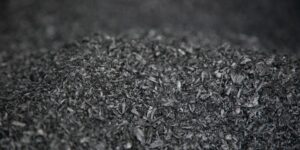
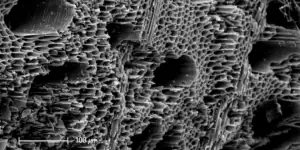
Raw biochar has a porous carbon structure with extensive empty pore space. When applied directly to soil without preparation, this structure can initially absorb water and nutrients from the surrounding soil, potentially reducing availability to plants in the short term.
Experienced practitioners treat biochar before application through a process called “charging” or “inoculation.” Two primary methods exist:
Compost Mixing Method
Biochar is combined with fresh compost or manure, typically in a 50/50 ratio. The mixture is allowed to sit for at least 2 weeks, with longer periods providing additional benefits. During this period, biochar absorbs moisture and microbial organisms from the compost, becoming a nutrient storage and release medium.
Liquid Nutrient Soaking Method
For faster preparation, biochar can be submerged in liquid fertilizer or nutrient solution for 24 to 48 hours. After draining excess liquid, the saturated biochar is applied to soil immediately.
Documented Soil Improvement Mechanisms
When properly prepared, biochar provides several documented benefits to soil systems:
Water Retention
Climate patterns are shifting toward more variable precipitation, with extended dry periods becoming more common in many agricultural regions. Biochar’s larger surface area allows it to hold more water per unit volume of soil, while its porous structure improves water retention.
Meta-analysis of studies published between 2010 and 2019 shows that biochar significantly increased water content at field capacity for coarse-textured soils by 51% and moderately for medium-textured soils by 13%. The magnitude of these impacts depends on factors such as feedstock type, pyrolysis temperature, and soil characteristics.
Studies on sandy soils amended with biochar at rates of 5-10% showed increased water retention capacity, with effects varying by biochar type. Wood-based biochars generally showed greater improvements than plant-based alternatives.
Soil Structure and Bulk Density
Biochar amendments improve soil structure and aggregate stability, with effects more pronounced on coarse-textured soils compared to fine-textured soils. Across all soil textural groups, biochar on average decreases bulk density by 9%.
The porous nature and high surface area of biochar decrease soil bulk density while increasing aggregate stability and reducing evapotranspiration. Soil aggregation in coarse-textured soils is more responsive to biochar additions than fine-textured soils.
Nutrient Retention
Nutrients including nitrogen and potassium can leach from soil during heavy rainfall before plant uptake occurs. Biochar exhibits high cation exchange capacity (CEC), which allows it to hold positively charged nutrients.
The high CEC of biochar allows it to bind nutrients and prevent them from leaching during rainfall events. This retention reduces nutrient losses and can improve fertilizer efficiency. Nutrient retention in biochar depends on pyrolysis temperature, with different nutrients volatilizing at different temperatures.
Microbial Habitat
Soil microorganisms including bacteria and fungi decompose organic matter and facilitate nutrient availability to plants. Biochar provides habitat for microorganisms and protects them from desiccation and predators. These microorganisms secrete polysaccharides that increase soil aggregation.
Biochar application in forestry and agriculture enhances microbial activity, promoting plant growth and increasing crop yields.
Crop Yield Effects
Meta-analysis of over 100 published studies shows an average total yield increase of 13% due to biochar addition. Another meta-analysis of 114 publications found biochar significantly increased crop yields by approximately 20%, with strongest effects in acidic and nutrient-poor soils.
Studies on tree crops and forestry systems demonstrate biochar’s effectiveness in improving drought tolerance and growth rates. Field experiments over two years showed improvements in water use efficiency and economic returns when biochar was combined with organic amendments.
Common Misconceptions
Biochar as Fertilizer: Biochar itself contains minimal nutritional content. It functions as a carrier and storage medium for nutrients rather than a direct nutrient source. The value lies in improving soil’s ability to retain and deliver nutrients to plants.
Application Rate: While biochar is generally considered safe for soil application, excessive amounts (over 20-30% of soil volume) can alter soil pH or structure unpredictably. Recommended application rates typically range from 5-10% of soil volume, with effects varying based on soil type and biochar characteristics.
Variable Responses and Ongoing Research
While water retention and microbial support benefits are documented, responses vary based on several factors:
Soil Type Variations: Biochar demonstrates stronger effects on coarse-textured, sandy soils compared to fine-textured soils. Studies on sandy agricultural soils show particularly strong improvements in water retention and plant-available water. In fertile loam soils with existing high organic matter content, observable differences may be smaller.
Biochar Characteristics: Pyrolysis temperature affects biochar properties, with high-temperature biochar (around 800°C) showing higher pH and extractable nitrate, while low-temperature biochar (350°C) shows higher extractable phosphorus and ammonium.
Long-Term Interactions: The importance of soil water dynamics in biochar-amended soils under future climate change and their interactions with plant water use and irrigation management deserves considerable attention. Researchers continue studying how different biochar types interact with soil microbiomes over extended timeframes.
Scientific consensus supports biochar’s beneficial properties for water retention and microbial health, as well as its capacity to store carbon for extended periods ranging from hundreds to thousands of years.
Application Summary
Biochar represents a long-term modification to soil structure rather than a quick-fix amendment. Proper preparation and application create drought-resistant, nutrient-retentive soil conditions that persist for extended periods while sequestering atmospheric carbon. Farmers can benefit from biochar application without using chemical fertilizers while improving soil ecosystem health through enhanced bulk density, water retention, and aggregation.