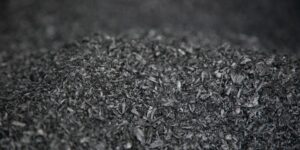
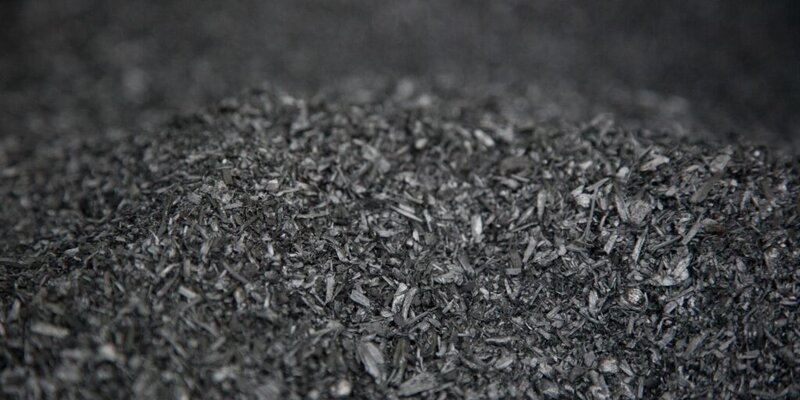
Biochar is a carbon-rich material made by heating plant matter in low-oxygen conditions. It can be used to improve soil, store carbon long-term, filter water, or be added to construction materials. The material has gained attention as one approach to addressing climate change, agricultural productivity, and waste management.
Understanding biochar requires looking at both how it’s made and what makes it useful for different applications.
Definition and Distinction from Charcoal
The International Biochar Initiative defines biochar as “the solid material obtained from the thermochemical conversion of biomass in an oxygen-limited environment.” In practice, this means heating plant material at high temperatures with little or no oxygen present.
Biochar and charcoal look similar—both are black, porous carbon materials. The difference is in how they’re used. Charcoal is made as fuel for cooking or heating. Biochar is made for soil improvement, carbon storage, water filtration, or building materials.
This difference matters because burning biochar as fuel releases its carbon back to the atmosphere as CO₂. When used for other purposes, biochar can lock carbon away for hundreds to thousands of years.
Historical Evidence: Terra Preta Soils
Interest in biochar grew from studying Terra Preta de Indio (“Indian dark earth”)—unusually fertile soils found in the Amazon Basin. Indigenous populations created these soils between 500-2,500 years ago, and they remain productive today.
Terra Preta soils contain 3 to 18 times more carbon than surrounding soils. They also have high phosphorus levels (200-400 mg P/kg), better nutrient retention, and near-neutral pH. Dutch soil scientist Wim Sombroek’s research on these soils in the mid-20th century led to scientific investigation of how adding charcoal could create long-lasting soil improvements.
Scientists continue to debate whether Terra Preta was made intentionally for farming or resulted from human habitation. Either way, these soils demonstrated that carbon-rich materials could change soil properties for thousands of years.
How Biochar Is Made
Making biochar is an engineering process with controlled conditions. The properties of the final product depend on two main factors: what material is used and how it’s processed.
Source Materials
Biochar can be made from almost any plant-based material. Common sources include:
- Forestry Residues: Wood chips, bark, sawdust, and branches left after logging
- Agricultural Waste: Corn stalks, wheat straw, rice husks, nut shells, fruit pits
- Animal Manures: Poultry litter, cattle manure, pig waste
- Municipal and Industrial Waste: Yard waste, food waste, paper mill sludge, sewage solids
The choice of material affects the final biochar. Wood-based biochar typically has more stable carbon and less ash, making it better for carbon storage. Manure-based biochar contains more phosphorus and potassium and holds nutrients better, making it more useful for improving soil fertility.
The Pyrolysis Process
Pyrolysis means heating material in low- or no-oxygen conditions at temperatures typically between 350°C and 750°C. This produces three separate products:
- Biochar (solid): The carbon-rich solid that makes up 30-50% of the original weight in slow pyrolysis systems
- Bio-oil (liquid): A dense liquid that can be refined into fuel or chemicals
- Syngas (gas): A combustible gas containing hydrogen, carbon monoxide, and methane that can power the pyrolysis process itself
Producers can adjust the relative amounts of these three products by controlling heating speed and how long material stays at target temperature.
Process Types
Slow Pyrolysis: Gradual heating with long processing times (minutes to hours) produces the most biochar—typically 35-50% of initial weight. This is the preferred method when high-quality biochar is the goal. Read more about our own slow pyrolysis batch reactor.
Fast Pyrolysis: Rapid heating with very short processing times (seconds) produces mostly bio-oil—60-75% of biomass weight. This method is used primarily for making biofuels.
Gasification: Higher temperatures (above 750°C) with controlled oxygen or steam convert biomass almost entirely into syngas for electricity or heat, leaving only 5-10% as biochar.
Our reactor uses slow pyrolysis to maximize carbon capture and biochar production.
Key Properties
Biochar’s usefulness comes from several physical and chemical properties. These vary based on source material and production conditions.
Carbon Stability
Pyrolysis transforms the carbon in plant material, which would normally break down in months or years, into stable structures similar to graphite. This resistant carbon can persist in soil for hundreds to thousands of years. Some forms are so stable they could last on geological timescales. This long-term stability makes biochar useful for carbon storage.
Pore Structure and Surface Area
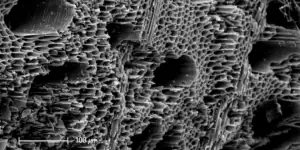
Biochar has a honeycomb-like structure with many tiny pores. This creates a very large internal surface area relative to volume—often 300-500 m²/g for high-quality biochar.
This large surface area drives many benefits:
- Provides living space for beneficial soil microorganisms
- Acts like a sponge for water and dissolved nutrients
- Provides sites for trapping chemical pollutants
Chemical Properties
Biochar works mainly as a soil conditioner rather than a fertilizer. Its chemical properties depend on source material and processing temperature:
pH: Most biochar is alkaline (pH 7-10) and can raise the pH of acidic soils, improving growing conditions for many crops.
Nutrient-Holding Capacity: Biochar surfaces carry negative electrical charges that attract and hold positively charged nutrients like calcium, potassium, and ammonium. This prevents nutrients from washing through the soil, keeping them available to plant roots.
Nutrient Content: While not a primary nutrient source, some biochar contributes to soil fertility directly. Manure-based biochar retains phosphorus and potassium from the original material, providing slow-release nutrients.
These varying properties explain why biochar effects on soil fertility differ widely across studies—different source materials and production methods create materials with different characteristics.
Applications
While soil improvement remains the most common use, biochar has several applications:
Carbon Storage: Biochar’s stability makes it a recognized carbon removal technology, with carbon credits trading in voluntary markets as companies seek to offset emissions.
Water Treatment: The porous structure and large surface area allow biochar to trap contaminants including heavy metals, pesticides, and organic pollutants from water.
Construction Materials: Biochar is being added to concrete and building materials, reducing cement use while storing carbon permanently.
Animal Feed: Research explores biochar as a livestock feed additive to improve gut health and reduce methane emissions.
Industrial Uses: Biochar’s ability to trap substances makes it useful in air filters, odor control, and as a carrier for beneficial microorganisms or slow-release fertilizers.
Quality Standards
As biochar uses have expanded, standardization has become necessary. The IBI Biochar Standards, first released in 2015 and now merged with Carbon Standards International’s World Biochar Certificate, provide standardized definitions and testing methods for biochar used in soil.
The European Biochar Certificate (EBC) offers parallel certification focusing on sustainable sourcing, production conditions, and contamination limits.
Key parameters in biochar certification include:
- H:Corg ratio (hydrogen to organic carbon, typically less than 0.7 for long-term stability)
- Contaminant levels (heavy metals, PAHs, dioxins)
- pH and electrical conductivity
- Surface area and pore volume
- Nutrient content
These standards are important for producers entering carbon credit markets or selling biochar for specific uses where consistent quality matters.
Summary
Biochar is an engineered carbon material made by heating plant material in low-oxygen conditions. Its properties—carbon stability, pore structure, chemical characteristics—can be designed by selecting appropriate source materials and processing conditions.
The material serves multiple purposes: climate change mitigation through carbon storage, agricultural improvement through soil conditioning, waste management through biomass conversion, and resource efficiency through nutrient retention.
The historical evidence from Terra Preta demonstrates biochar’s potential for creating lasting environmental benefits. Modern science is systematically uncovering the mechanisms behind those benefits and developing applications beyond ancient Amazonian agriculture.
As production scales and applications diversify, understanding what makes one biochar different from another becomes important for anyone working with this material.