
Pyrolysis Batch Reactor for Smaller-Scale Projects
Built for flexibility and reliability, the batch system is ideal for operations looking for straightforward control without the complexity of continuous systems. It’s engineered for easy loading, safe operation, and simplified maintenance—perfect for both large and small-scale producers.
affordable and reliable
Our Pyrolysis Batch Reactor is a robust, high-efficiency system designed to transform a wide variety of organic feedstocks into biochar. Whether you’re working with agricultural residues, wood chips, nutshells, green waste, or even industrial biomass byproducts, this reactor delivers consistent results with minimal emissions and excellent carbon retention.
Volume
The batch reactor can handle 1.4 m3 of biomass per cycle. This equals 448 m3 per year if run at full capacity.
Specifications
The batch reactor is made to be portable, so it can be moved on a simple trailer if needed.
Height: 310 cm
Width: 250 cm
Weight: 950 kg

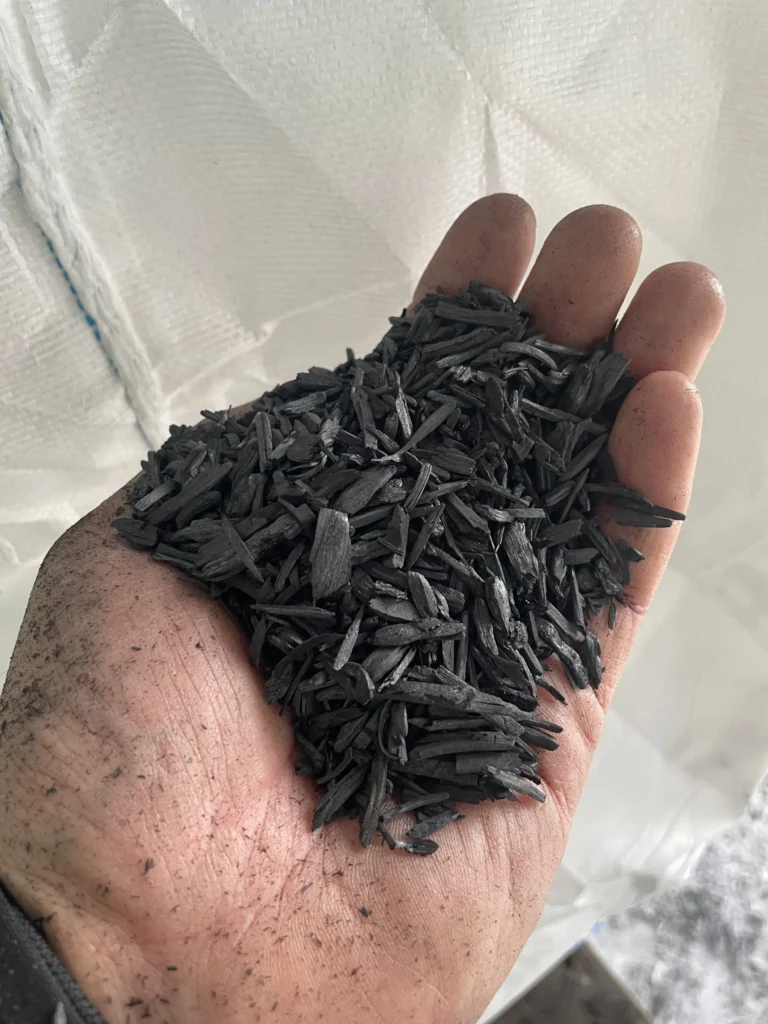
What can the biochar be used for?
Biochar is a versatile material with numerous high-value applications:
Soil Amendment: Enhances soil fertility, water retention, and microbial activity—ideal for regenerative agriculture and permaculture.
Carbon Sequestration: Locks carbon in a stable form, helping offset greenhouse gas emissions.
Livestock & Compost Additive: Improves nutrient absorption and reduces odors in composting systems and animal bedding.
Water Filtration: Acts as a natural filter medium for purifying water in environmental or industrial applications.
Whether your goals are environmental, agricultural, or commercial, our the batch reactor provides a scalable solution for turning waste into opportunity. We’ve also written an article about it, if you want to read more.
What can the biochar be used for?
The biochar produced is a versatile, carbon-rich material with numerous high-value applications:
Soil Amendment: Enhances soil fertility, water retention, and microbial activity—ideal for regenerative agriculture and permaculture.
Carbon Sequestration: Locks carbon in a stable form, helping offset greenhouse gas emissions.
Livestock & Compost Additive: Improves nutrient absorption and reduces odors in composting systems and animal bedding.
Water Filtration: Acts as a natural filter medium for purifying water in environmental or industrial applications.
Whether your goals are environmental, agricultural, or commercial, our the batch reactor provides a scalable solution for turning waste into opportunity.
The process
Loading
15 minutes
The reactor is toploaded with biomass
Starting
90 minutes
Once the reactor is filled, the pyrolysis process is started from the bottom
Pyrolysis
4-5 hours
The biomass reaches temperatures of 600-700 degrees and is turned into biochar
Cooling
5-6 hours
After the pyrolysis process is done, the reactor needs to cool before emptying
Emptying
10 minutes
The reactor is emptied by tipping it using the built-in system
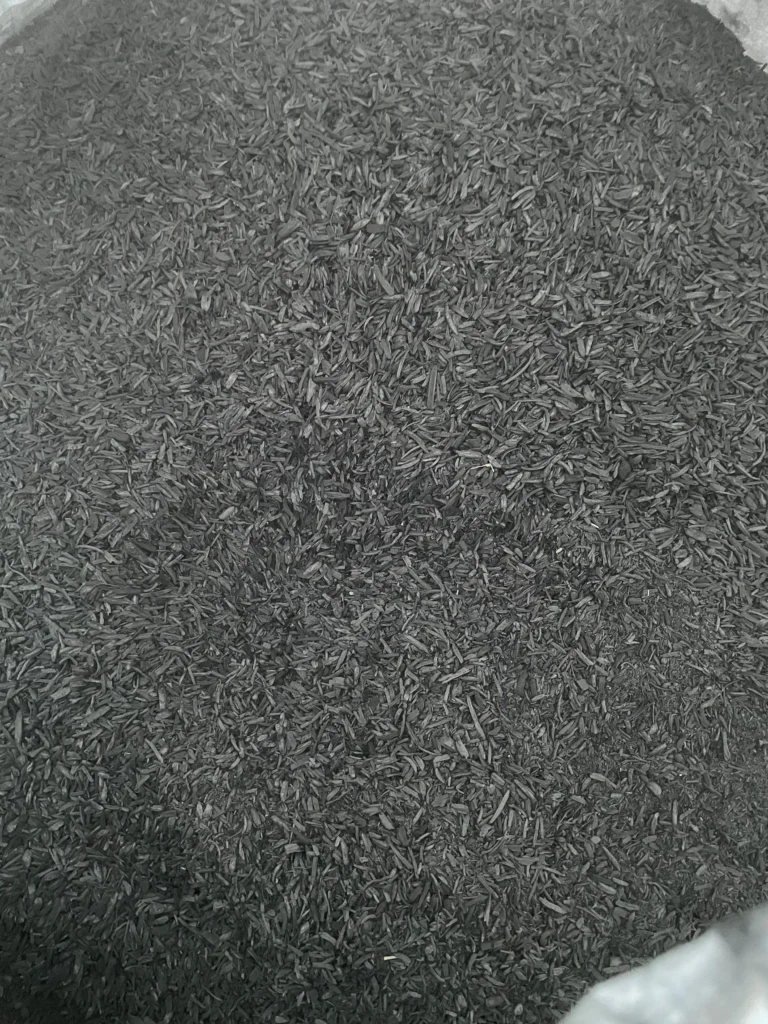
Which biomass can be used?
Most biomass can be used as long as it has a low enough moisture content and it has a particle size of 10mm-60mm. The resulting biochar produced, and what it can be used for, will depends on the feedstock. Below we have listed some of the most obvious and common feedstocks for the reactor.
Wood
Any type of excess wooden biomass can be used to make biochar, and quite often this is the feedstock that provides the highest quality biochar.
Agricultural waste
Many agricultural processes have a degree of waste. This waste, when dried, is perfect for making biochar.
Garden waste
Mixed biomass from personal gardens also works for making biochar. The quality of the biochar is harder to predict though, but for uses that don’t require too high quality, it is an ideal feedstock.
If you have further questions, you can find answers to these questions and more in our FAQ section.
Suitable Biomass
Most biomass can be used as long as it has a low enough moisture content and it has a particle size of 10mm-60mm. The resulting biochar produced, and what it can be used for, will depends on the feedstock. Below we have listed some of the most obvious and common feedstocks for the reactor.
Wood
Any type of excess wooden biomass can be used to make biochar, and quite often this is the feedstock that provides the highest quality biochar.
Agricultural waste
Many agricultural processes have a degree of waste. This waste, when dried, is perfect for making biochar.
Garden waste
Mixed biomass from personal gardens also works for making biochar. The quality of the biochar is harder to predict though, but for uses that don’t require too high quality, it is an ideal feedstock.
If you have further questions, you can find answers to these questions and more in our FAQ section.